
03 · The Art
“Evergreen” Songs
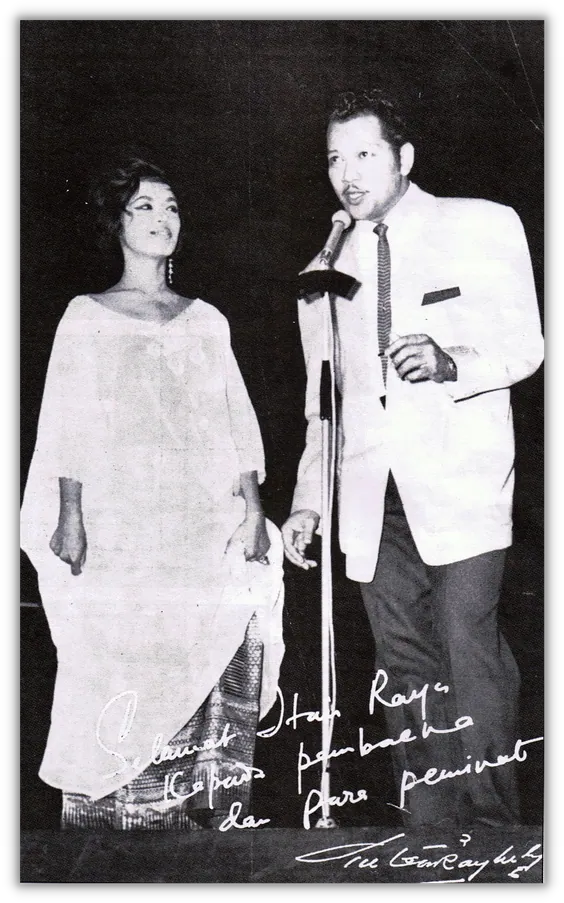
P. Ramlee’s own lyrics are particularly suited to the songs he wrote, such as the “tongue-in-cheek” words he supplied for “Nasi Goreng Bubur Kacang” (Chemburu, 1953), “Maafkan Kami” and “Pok-Pok Bujang Lapok” (Pendekar Bujang Lapok, 1959) and “Do Re Mi” (1966). Other lyrics he wrote for popular songs include “Di Pinggiran” (Ragam P. Ramlee, 1964), “Entah Di Mana” (Keluarga 69, 1967) and “Assalamualaikum” (Putus Sudah Kaseh Sayang, 1971).
Certain types of music and singing which stirred the soul were highly regarded, and drumbeats and inspirational songs accompanied warriors to the battlefields. Patriotic spirit is shown in P. Ramlee songs like “Pahlawanku”, “Perwira” and “Sekapur Sireh”, all sung by Saloma. A similar inspiration colours “Joget Malaysia” in Ragam P. Ramlee and “Joget Pahang” and “Melaka”, sung by P. Ramlee in the film Hang Tuah.
Also to be mentioned are songs performed by groups such as “Kenek-Kenek Udang”, and songs which pass on advice and knowledge like “Rukun Islam” and “Tolong Kami”. Ballads which speak of love are “Merak Kayangan” (Hujan Panas, 1953) and “Tidur-lah Permaisuri” (Putus Harapan, 1953). Examples of “evergreens” by P. Ramlee include “Dendang Perantau”, which is heard on television and radio during the Hari Raya Aidilfitri celebrations. Weddings are often accompanied by “Di Renjis-Renjis di Pilis” (Takdir Ilahi, 1950), “Merpati Dua Sejoli” (Bakti, 1950) and “Selamat Pengantin Baru” (Madu Tiga, 1964), sung by Saloma.
“Getaran Jiwa”, from the film Antara Dua Darjat (1960), remains one of his best-loved songs and has been covered by artists in and outside Malaysia. The American singer Lobo recorded an English version, “Whispers in the Wind”.
His music has been adapted into classical forms by international orchestras. The Royal Swedish Chamber Orchestra has added “Bunga Melor” to its repertoire, and the Bolshoi Ballet Theatre Orchestra of Tashkent recorded an album of P. Ramlee’s songs (1998).
P. Ramlee’s influence has even reached Japan, where Kaho Shimada recorded an English version of “Jeritan Batinku” called “Indian Summer” on her second album, Robin ’99 (1998).
Despite having no formal education in music or acting, P. Ramlee had become a rare example of an inborn genius who achieved renown in the spheres of music, acting and directing.
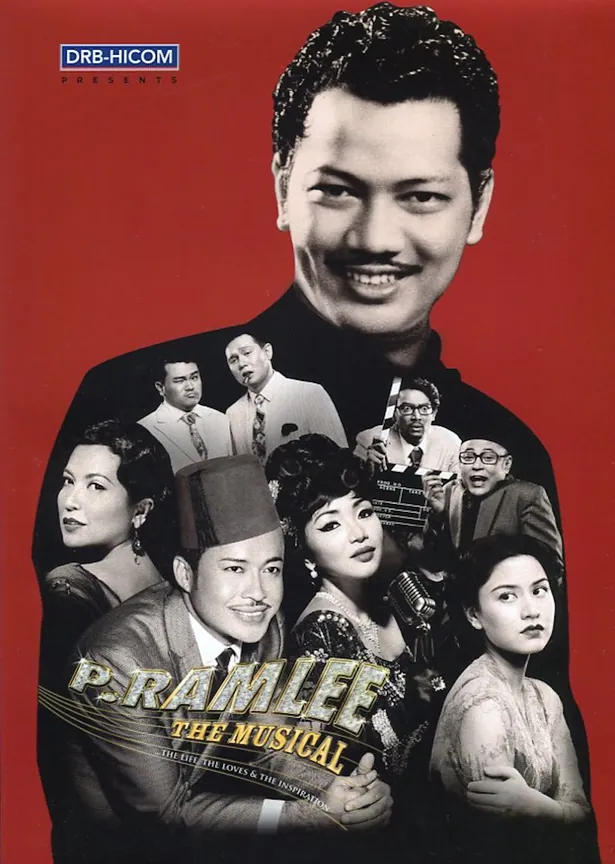
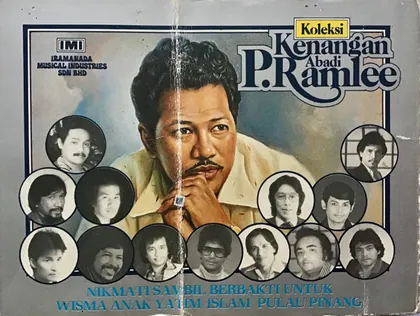
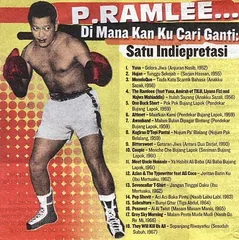

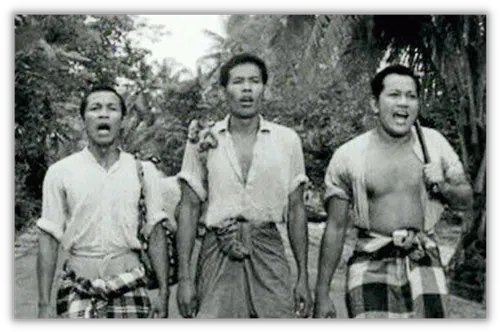
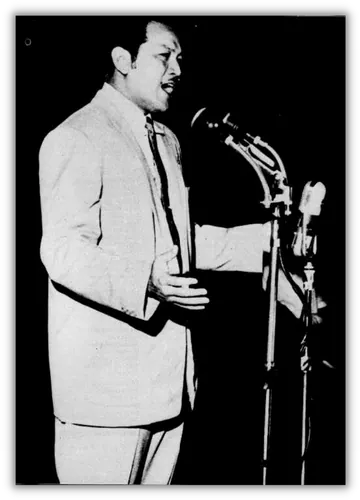

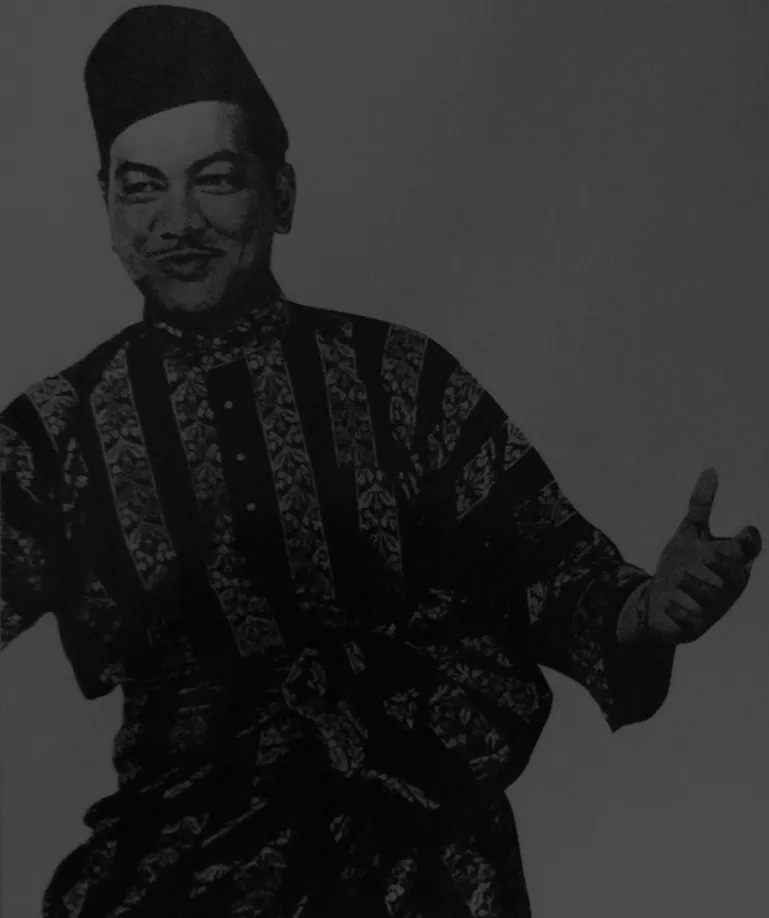
In a newspaper interview in the year of his death (1973), P. Ramlee expressed his desire that the songs he created would be preserved for posterity and would be appropriate at all times. He hoped that singers who performed them would respect their quality to help them survive the passage of time, which was the reason he had composed them. He observed that many contemporary composers write songs that do not respect the musical notes and that their songs fade and are unable to stand up to the passing years. He urged lyricists and composers to write songs in accordance with the musical notes and not simply to follow their whims. When asked if the decline in the quality of current pop songs was the direct result of composers failing to do this, he replied: “That is certainly the cause and the reason.” Such was the opinion of a composer whose songs remain as fresh and appealing as they were when they were first heard between five and seven decades ago.