
03 · The Art
In Tune with Changing Times
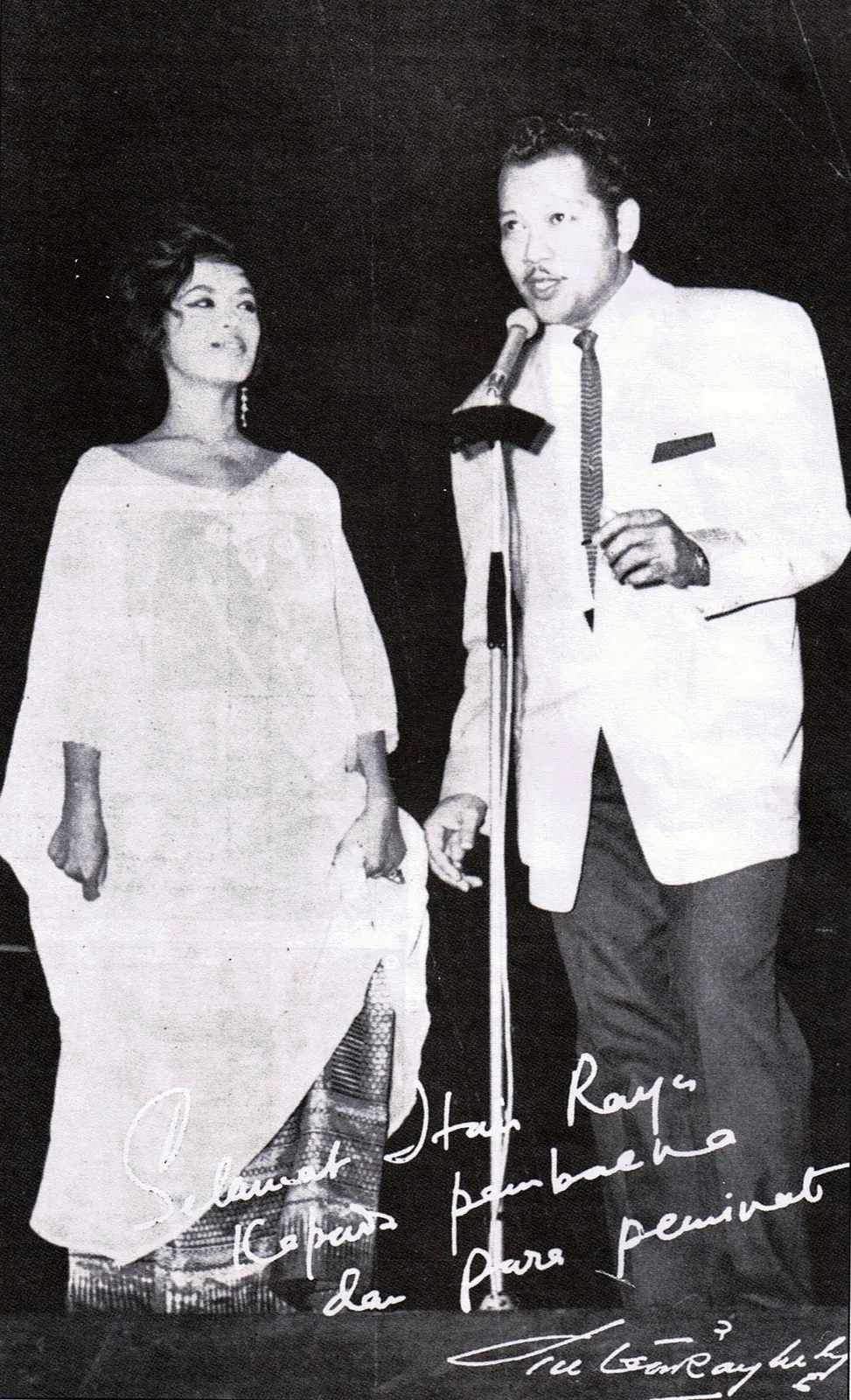
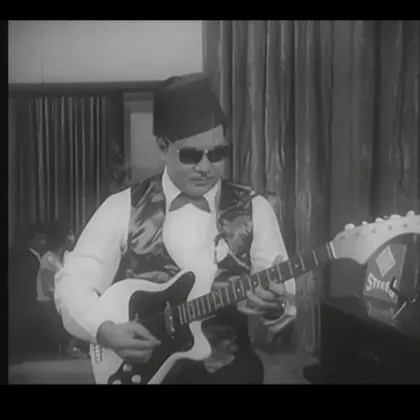
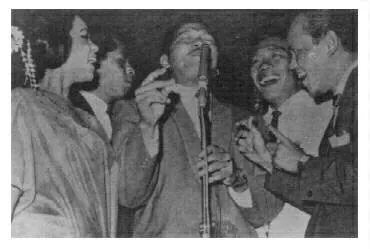
As early as the 1950s, when young Malays were drawn to Western pop such as The Platters, P. Ramlee formed a band called Pancha Sitara to revitalise Malay music. Pancha Sitara recorded well-received songs such as “Bila Larut Malam” and “Mawarku”. Later, in the mid-to-late 1960s, as young Malays showed a growing enthusiasm for pop idols like The Beatles, a movement called “Pop Yeh Yeh” emerged, represented by bands that used four electric guitars, known by the shortened name “Kugiran”, a portmanteau of “kumpulan gitar rancak”, meaning “lively guitar group”. However, P. Ramlee expressed concern about this type of music, saying that it placed too much importance on loudness rather than the quality of the song itself.
Despite his concerns, P. Ramlee successfully adapted to changing times and maintained his position. He even recorded several songs backed by four-guitar bands, in the style of the youth movement led by singers such as Jefri Din, A. Ramlie, L. Ramli, S. Mariam, Jaafar O and others. Once again, though, he issued a warning about the potential negative effects of poor-quality pop songs on future generations, which, he warned, could lead to indiscipline.
For P. Ramlee, the quality of a song, and especially its vocal quality, was paramount. His personal touch captured the hearts of those who enjoyed modern songs and music such as the “twist”. Some of his most popular songs to date are “Bunyi Gitar” (Tiga Abdul, 1964) and “Ai Ai Ai Twist” (Masam-Masam Manis, 1965).
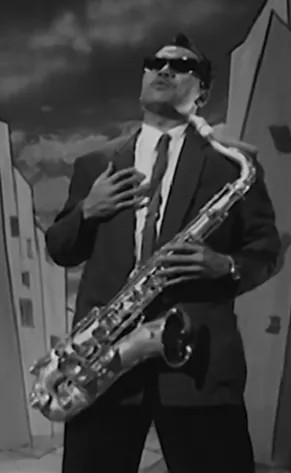
P. Ramlee’s compositions in the film Hang Tuah won Best Musical Score at the 3rd Asian Film Festival in Hong Kong (1956). However, critics objected that the Portuguese “gramio” rhythm used for one of the songs was incorrect, since the Portuguese had not yet occupied Malacca during the legendary character Hang Tuah’s time. They also claimed that the name “Johor” and the use of the sages beat in the song “Joget Pahang” were further anachronisms.
P. Ramlee received many awards, including the “Best Song” award in 1955 for “Inang Baru” (Penarek Becha) and the titles of “Best Song Composer” and “Best Male Singer” in 1956, as voted by readers of Bintang magazine. In 1960, his song “Jangan Adik Angan-Angan” (Musang Berjanggut, 1959) was voted the “Most Popular Song”.
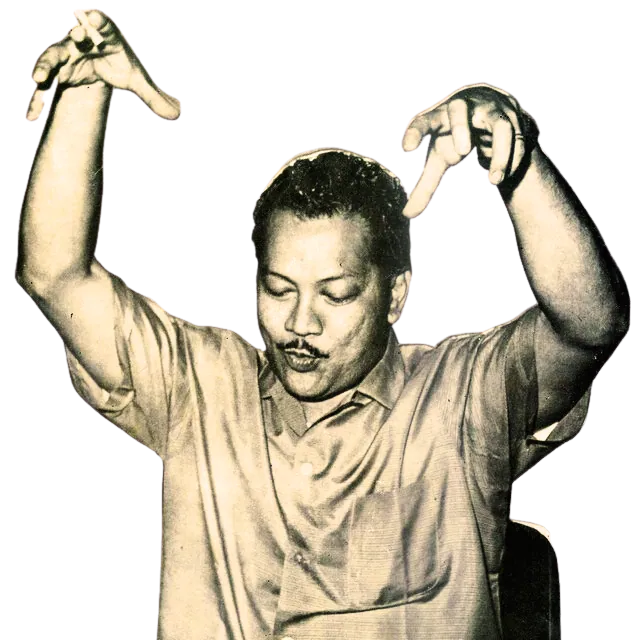
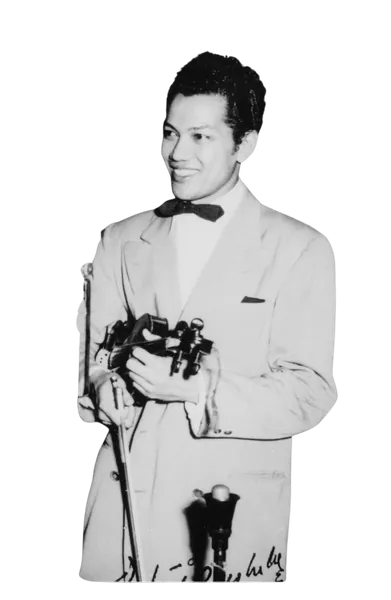
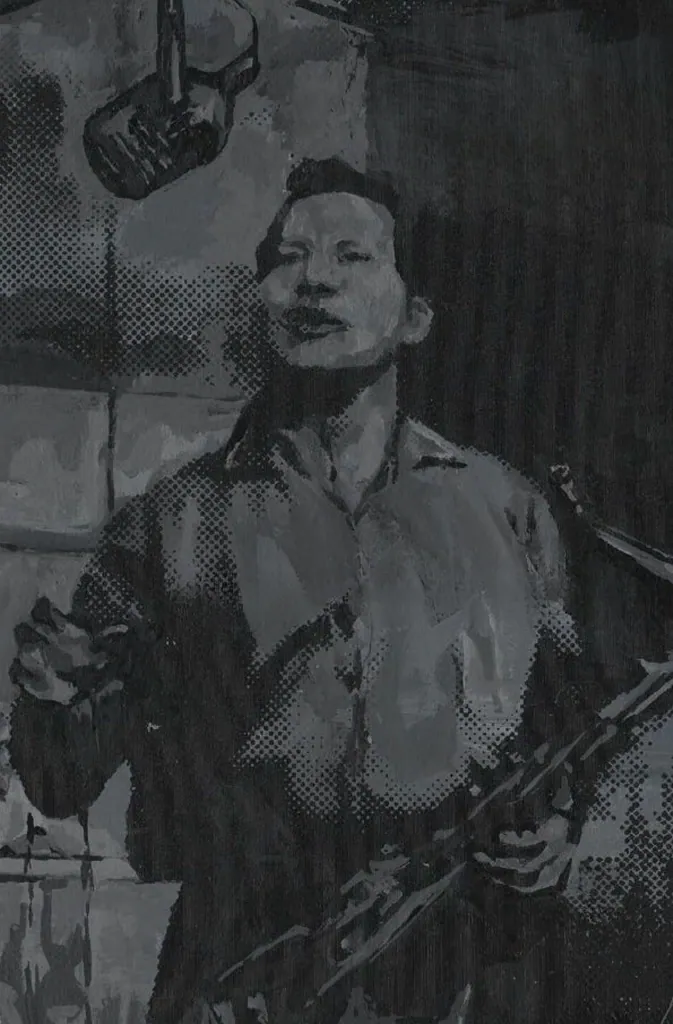
The lyric of every song should not be taken lightly since it is intended to have its effect on the human heart … in addition to the customary romantic lyrics we need those that inspire the spirit to work hard, to espouse honourable causes, and to love our homeland and our people.
P. Ramlee in Gelanggang Filem, October 1960