
03 · The Art
Fantasy and Comedy
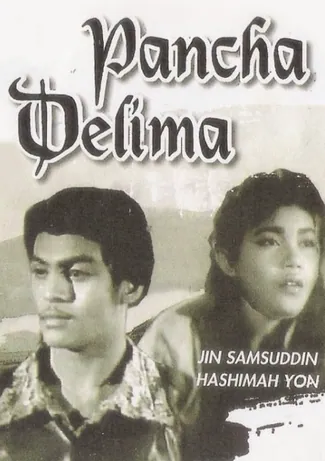
Pancha Delima (1957) was an experiment in fantasy which introduced the young Jins Shamsuddin (later Tan Sri; 1935–2017) to admiring audiences. This blend of Cinderella, The Thief of Baghdad and snatches of Hamlet features a dashing hero and his search for the magic necklace which will rescue him from a spell. Pelham Groom, a film critic, made the following review of the film:
Pancha Delima is a Malay film, in the Malay language for Malay people, and Malay people will enjoy every second of this film. Its story, or perhaps it is better to call it a collection of stories because it reminds us of Cinderella, The Thief of Baghdad and a little bit of Hamlet, tells the story of a prince (Jins Shamsuddin) who is cursed by his stepmother (Aini Hayati) and turns into a snake during the day.
He can only break the curse if he finds the magical Pancha Delima necklace, which you may be surprised to hear, is worn around the neck of the pretty daughter of a woodcutter (Hashimah Yon) who happens to have two ugly and jealous stepsisters.
I don’t doubt that this film will be very successful, but it is far from perfect, especially in terms of the handling of the entry and the cuts that are usually not tidy. The sword fight scenes are of low quality, almost incomprehensible, but as I said, it is meant to be a fairy tale. A fairy tale that is pleasant to listen to but greatly exaggerated to the point that it becomes unpleasant.
The quality of the acting is high, and the direction is competent, except for some small mistakes, and the music showcases Ramlee at the height of his brilliance.
Pelham Groom, film critic
Comedy came as easily as fantasy to P. Ramlee. In the editorial section of Gelanggang Filem, volume 3, issue 52 (10 January 1960), he wrote:
We have watched funny movies both American and British. Despite being based on existing stories, various additions have been made in such a way that we perceive these films as something illogical or even impossible, yet their very illogicality and impossibility amuse us. By contrast, it’s not all that difficult to make a dramatic or historical film. Any difficulty at all lies in preparing the props. Comedy is much more challenging. Apart from the acting and script which should provoke laughter, so too should the props. The costumes in a comic film should also inspire amusement.
P. Ramlee, Gelanggang Filem, 10 January 1960
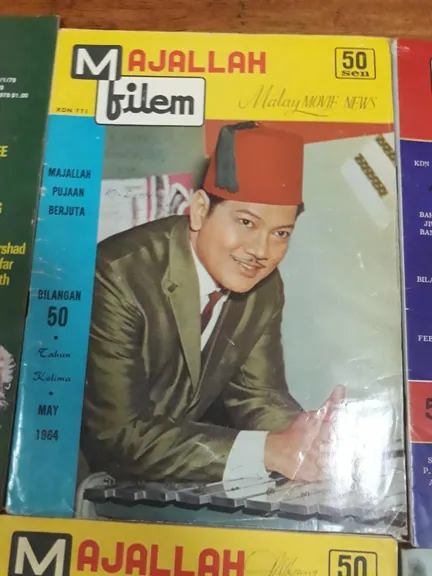
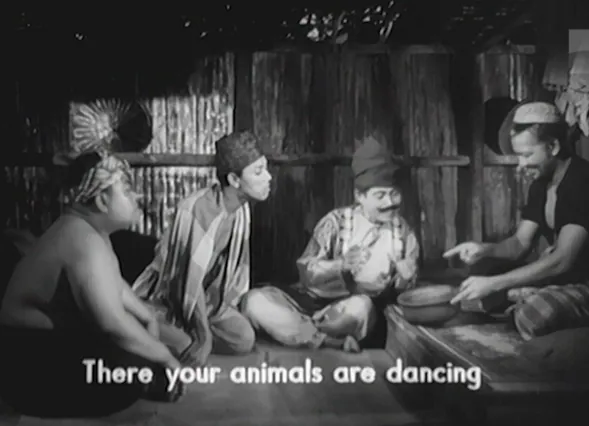
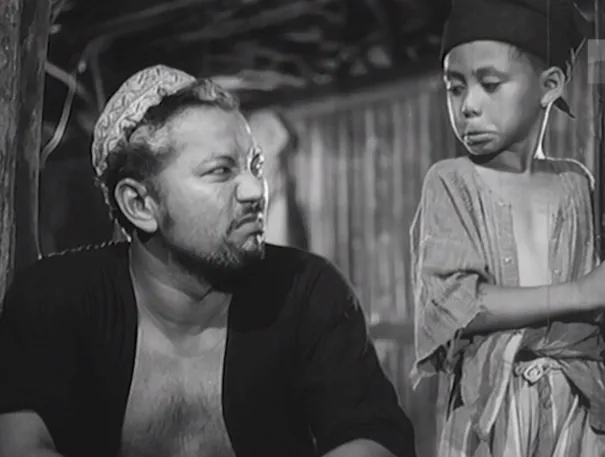
Why was P. Ramlee interested in directing and acting in comedies?
Even though Antara Dua Darjat fulfilled my aim to present a film that served as a mirror to its viewers, I still believe that entertainment is the best way of pointing a moral or teaching a lesson. That being so, a film in comic form must be the better medium.
P. Ramlee
In his comedies, as well as in his dramas, P. Ramlee was the singer, composer, musical director and arranger, and comedian. His sense of humour was rich in meaning, metaphor and allusion.
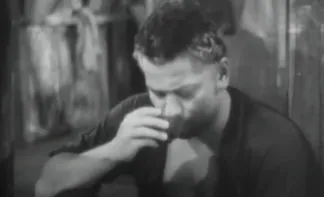
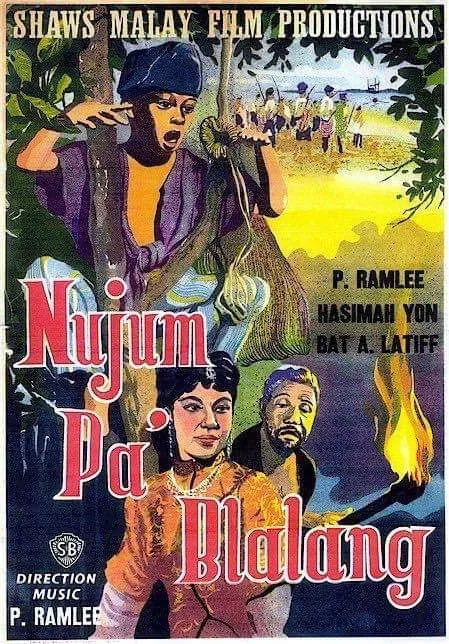
For instance, in Musang Berjanggut, he reminds us not to be swayed by seemingly superior people who are incapable of being role models in their private lives. In Nujum Pa’ Belalang, he satirises those who are too indolent to make an effort, portraying the protagonist Pa’ Belalang as someone content with his idle lifestyle. A scene where he happily drinks nauseating “coffee” made of charcoal powder exemplifies his complacent inertia.