
03 · The Art
Social Criticism through Comedy
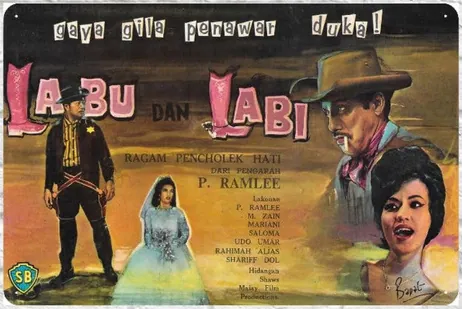
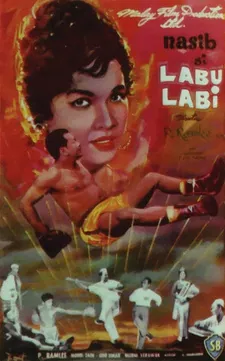
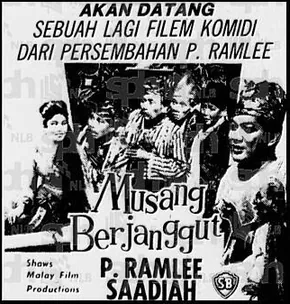
P. Ramlee had no respect for the aristocracy when they failed to uphold their noble ideals. Musang Berjanggut compares the Sultan to a horse, the Prime Minister to a statue, and the Marriage Officiator to a fox. His satirical perspective on society is also evident in Nasib Si Labu Labi, a film that targets the wealthy, where an old and lecherous widower overcomes his stinginess to dress up in youthful clothes and a juvenile haircut to woo a beautiful girl.
P. Ramlee’s films show his impartiality by condemning negative aspects of both the rich and the poor. In Bujang Lapok, he paints a devastating picture of the heroine’s foster father, an alcoholic gambler who has no qualms about prostituting his adopted daughter to satisfy his gambling habit.
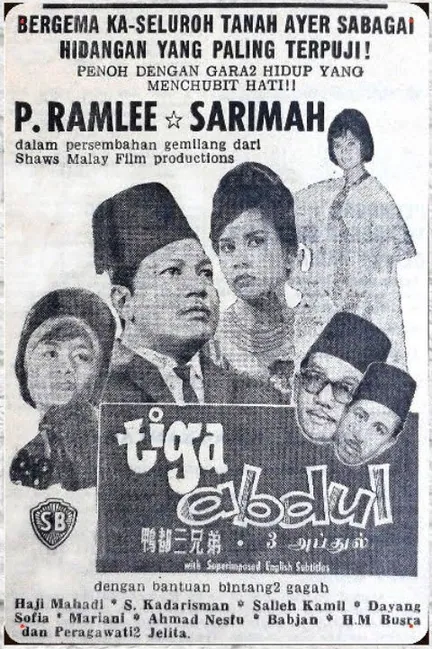
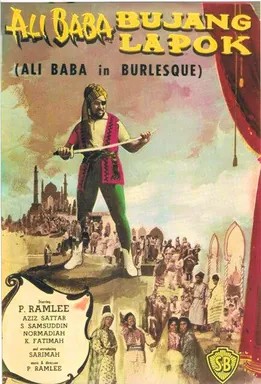
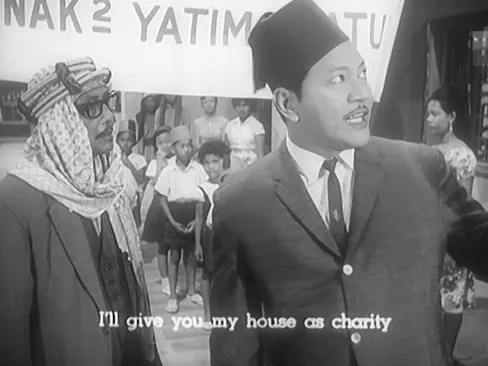
On the other hand, P. Ramlee also acknowledges the generosity of the rich, as seen in characters like Abdul Wahub in Tiga Abdul and Ali Baba in Ali Baba Bujang Lapok, who give generously to the poor. Notably, Pa’ Belalang does not forget the poor after he has himself attained riches and good fortune.
It is more difficult to direct a comedy than a drama. Only the talented and skilful can successfully direct comedies. Even Charlie Chaplin has admitted to this difficulty. We may be able to make someone cry for three hours straight off, but it is rare to find someone who can make you laugh for the same length of time.
P. Ramlee
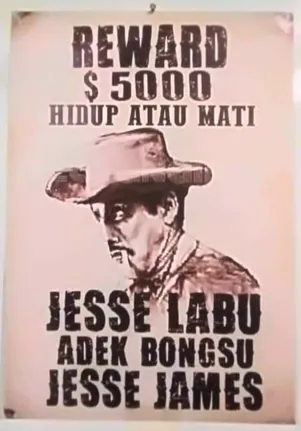
Although P. Ramlee’s comedies may have contained elements of fantasy and dream, he always emphasised the importance of an easily understandable storyline and high-quality acting. In Labu dan Labi, for example, he showed his skill at enlivening the story with scenes designed to captivate audiences of all races and ages. Among such episodes is one in which Tarzan, “the king of the jungle”, is greedy for local spicy dishes. He is also shown typing a letter asking his employer for a rise in wages. A cowboy scene features a signboard giving a “Wanted” list of fugitives from justice.
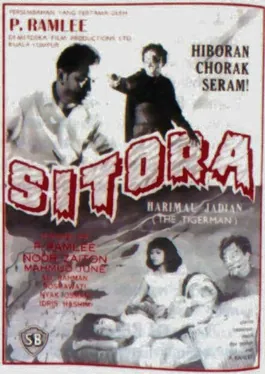
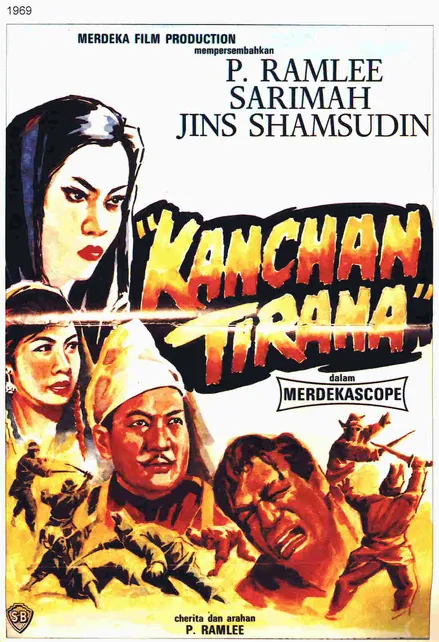
Even after he began working with Merdeka Film Productions, P. Ramlee never gave up his aim to satisfy the needs of Malay audiences. Alongside horror films like Sitora Harimau Jadian (1964), he continued to produce comedies such as Do Re Mi and Sabarudin Tukang Kasut, as well as dramas like Sesudah Suboh and Gerimis. Even Kanchan Tirana, set in ancient times, incorporated modern techniques to meet the expectations of contemporary audiences.