
03 · The Art
P. Ramlee and Societal Issues
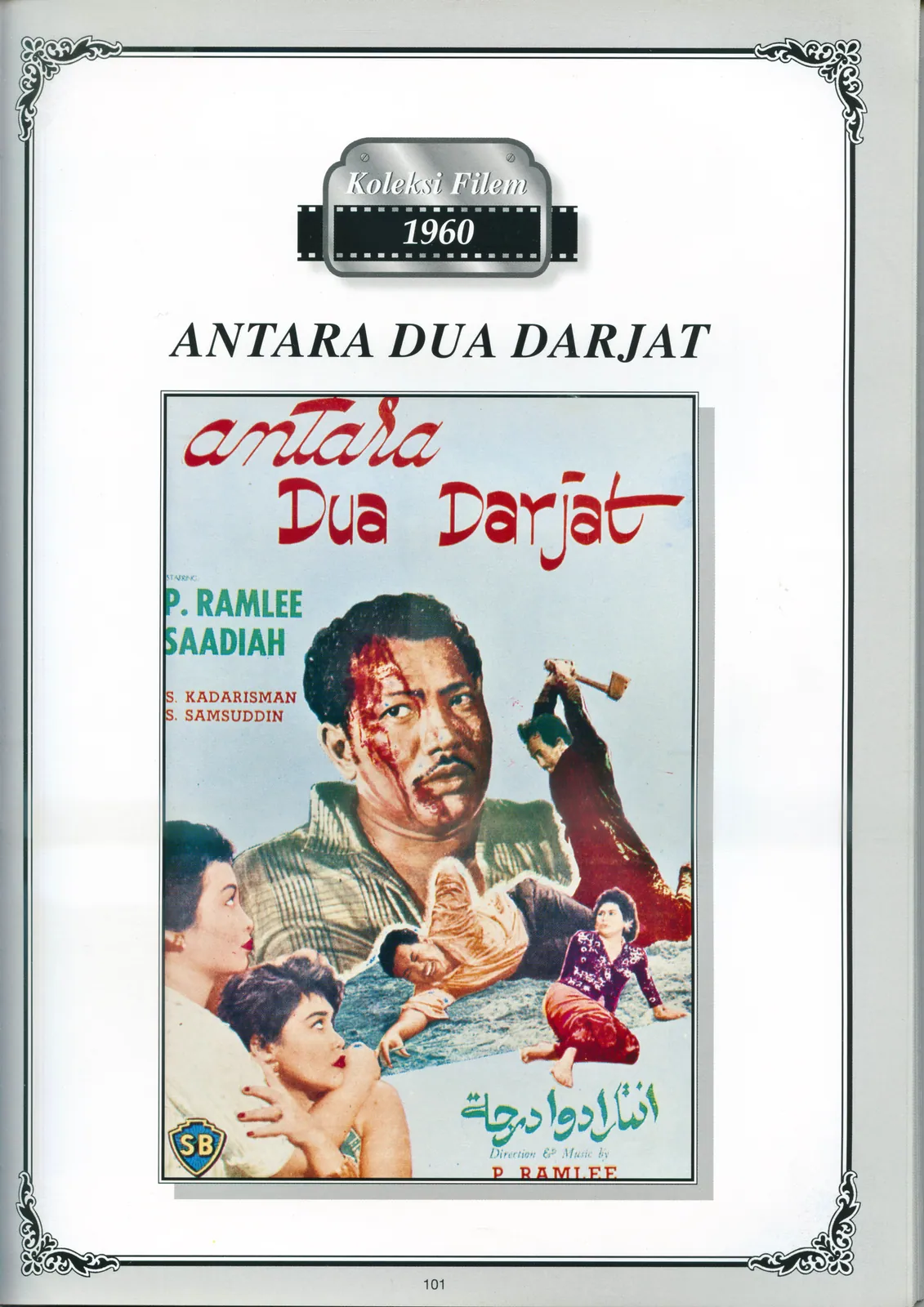
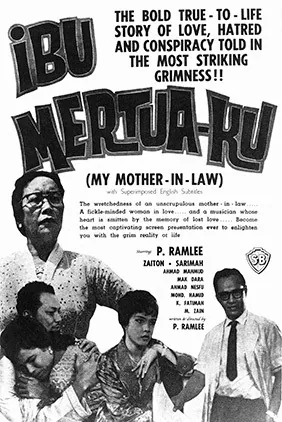
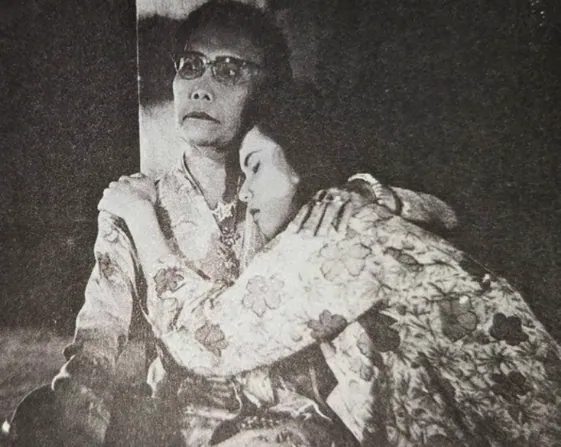
P. Ramlee’s films often dealt with social problems and inequalities that existed in Malay society during his time. One of the prominent themes in his films was the feudal system prevalent in the Malay community, which he depicted in movies like Ibu Mertua-ku and Antara Dua Darjat. In these films, P. Ramlee portrayed the lifestyle of the Malay elite, characterised by their ownership of suits, ties, pyjamas, pipes, guns, rifles and pianos. He contrasted this with other Malays known for their sepak raga matches and orchestras that performed keroncong songs.
P. Ramlee also explored the social disparity resulting from differences in status, wealth and family background, which often led to the separation between people. His films like Ibu Mertua-ku and Antara Dua Darjat showcased the difficulty of bridging relations between classes, even when a marriage has taken place. Love and marriage were often the starting points for the harshest of disputes between classes and races, as depicted in Gerimis.
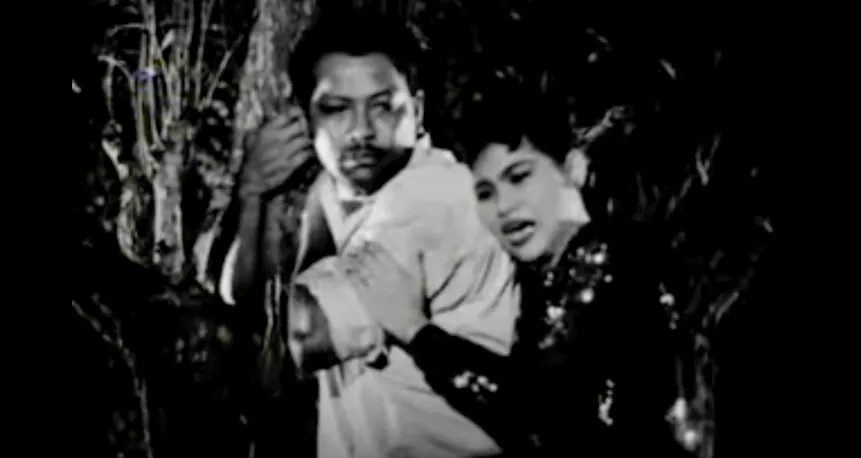
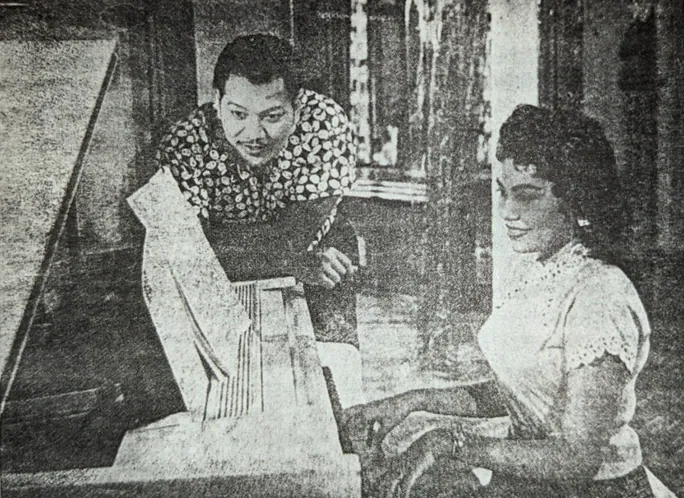
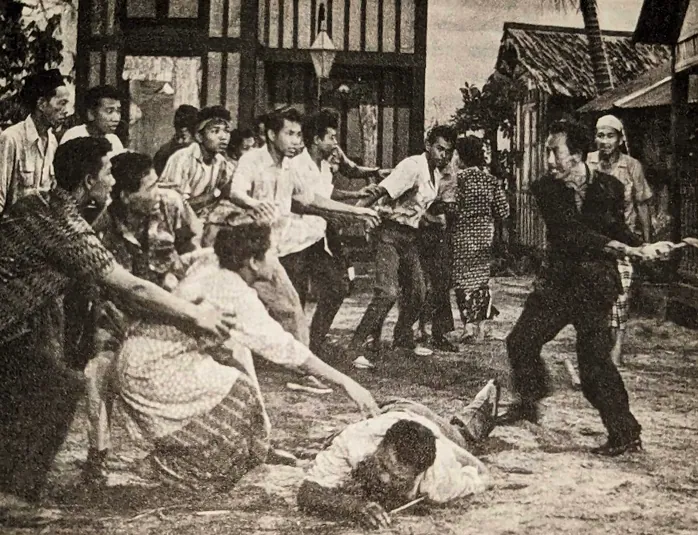
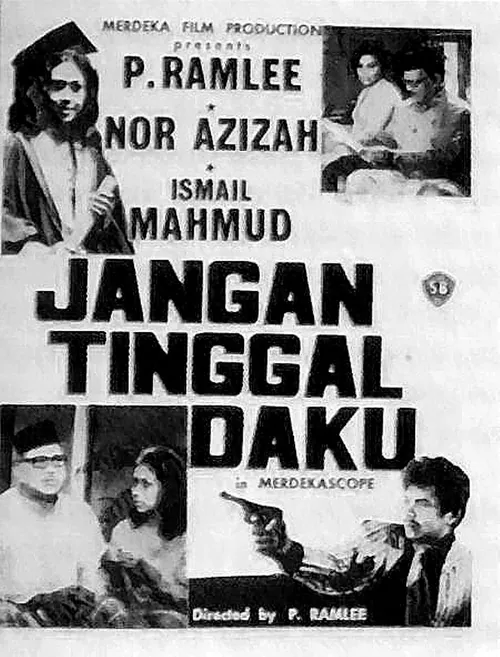
Apart from class and race, P. Ramlee’s films also touched on other social issues prevalent in society. In Dr. Rushdi, he highlighted the suffering of a man who was the victim of his wife’s inability to understand his problems. Jangan Tinggal Daku dealt with problems of criminality and was the first time P. Ramlee blended the depiction of crime with romantic drama. In Gelora, a tragedy, he studied the disastrous effects of social incompatibility and the problems of marriage and divorce.
Through his films, P. Ramlee shed light on the various social problems and inequalities that existed in Malay society, and he used his craft to raise awareness and promote understanding and empathy among people.