03 · The Art
P. Ramlee, the Director


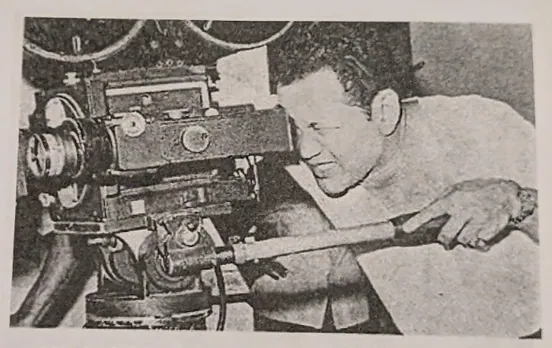
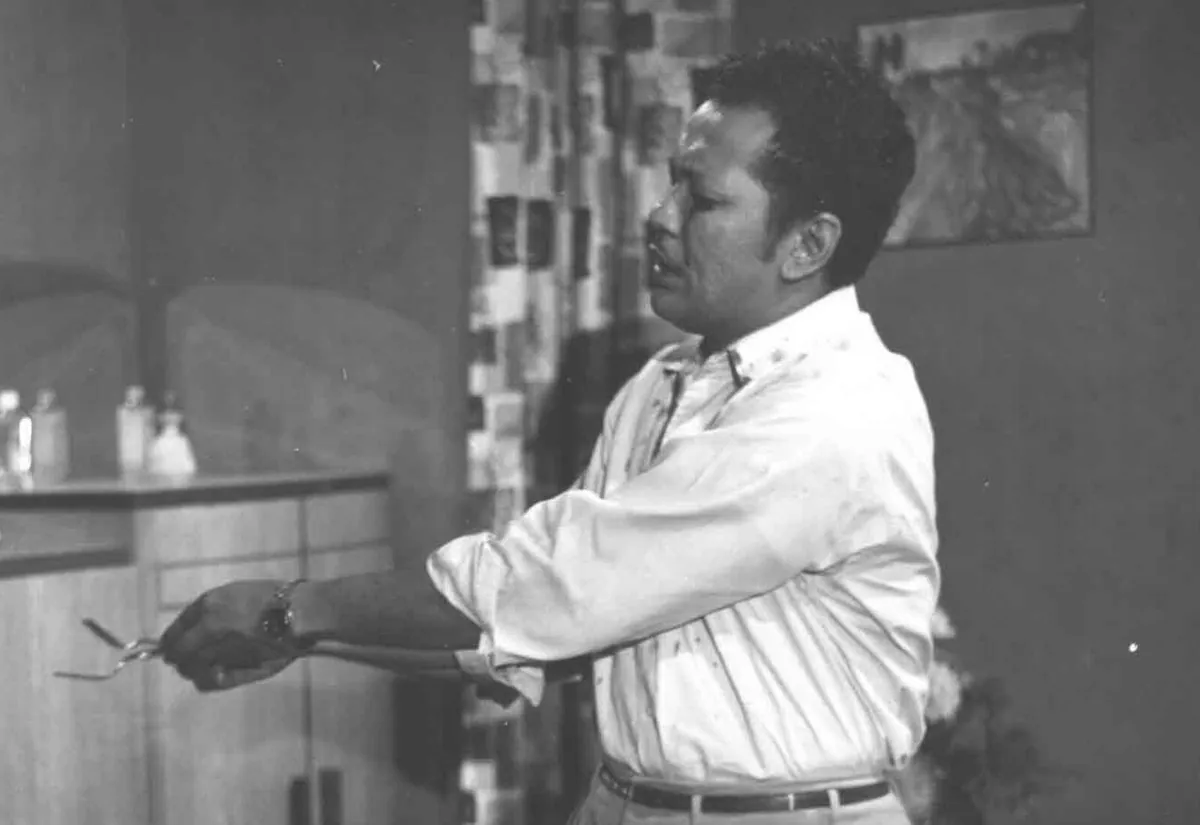
In the world of cinema, the director is the most vital person. He must be proficient in every area of film-making, possess a deep knowledge of art and drama, and understand music, recording, singing and the quality of sound. The director must also be an appreciator of painting and a discriminating art lover. Additionally, he should be knowledgeable in photography, gifted with spatial awareness, and skilled in utilising all the lenses of the movie camera. P. Ramlee, an accomplished musician and composer, quickly mastered the secrets of film development, editing, lighting and every aspect of the film-making process.
In 1955, P. Ramlee directed his first film, Penarek Becha. He was only the second Malay at MFP to be promoted to director, after Haji Mahadi (Permata di Perlimbahan, 1952). Prior to his promotion, P. Ramlee had gained vast experience in the field, having been an assistant director, musical director, and composer of incidental music and songs in earlier movies. Run Run Shaw, the film producer, told him:
I expect complete success … Remember that this is your first try, so don’t be too hasty, but don’t be too slow. I also want quality.
Run Run Shaw, to P. Ramlee
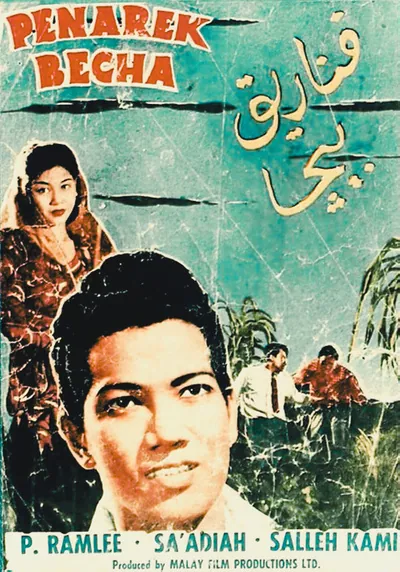

A film that aims for popularity requires popular songs, and for Penarek Becha, P. Ramlee composed such items as “Inang Baru”, “Azizah”, “Engkau Laksana Bulan” and “Dengarlah Sang Ombak Berdesir”, with the first of these featuring a new dance. The film also demonstrated his modernity and his sympathy for the less fortunate in society.
The message was that a humble trishaw puller had the same emotions and hopes as anyone else. The film represented a pioneering effort to inject a Malay flavour into films and was voted the “Best Film” of 1955.
Prior to Penarek Becha, all twenty-four films in which P. Ramlee appeared were the work of Indian directors, who naturally made use of their own traditions and ideas. Thus, when P. Ramlee won the opportunity to direct, he aimed to interpret the outlook of the Malay people as individuals, family members and communities. In his films, he reflected on the wishes nurtured by Malays, their relationship with Allah, and the effect of religion, tradition and outlook.