
08 · Research
P. Ramlee and Neorealism
Jan Uhde
Uhde, J. (2015, Spring). P. Ramlee and neorealism. Kinema: A Journal for Film and Audiovisual Media. https://doi.org/10.15353/kinema.vi.1323
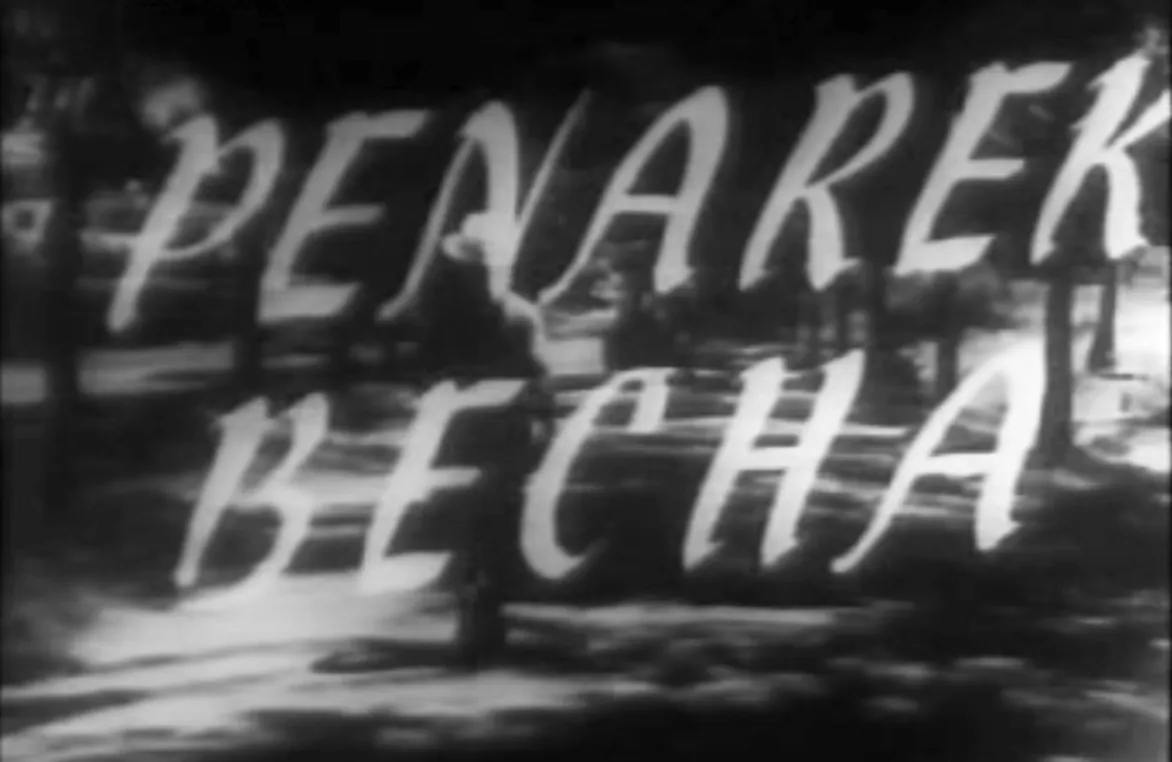
The filmmaking of P. Ramlee blends the director’s creativity with outside influences and stimuli. He integrated elements from diverse sources including his Malay heritage, Singapore’s cosmopolitanism, India’s old culture and European cinema which he fused into a unique personal style. The stylistic elements of Penarek Becha (The Trishaw Puller, 1955), Ibu Mertuaku (My Mother-in-Law, 1962) and other P. Ramlee films – particularly their focus on contemporary social issues, the relatively frequent use of on-location shooting, the combination of professional and non-professional actors – point to the Neorealist influence on the filmmaker.
There is a certain affinity between P. Ramlee’s trishaw driver Amran and the unemployed worker Antonio Ricci from the famous Neorealist film Bicycle Thieves (Ladri di biciclette, 1948) by Vittorio De Sica. Both protagonists are honest, humble people slowly being crushed by the burden of interminable poverty. Both characters use bicycles, or modified bicycles to earn their living. Antonio’s bike is stolen, while Amran’s trishaw is demolished by a gang of thugs and he himself is beaten up. Neither of them asks for anything more than decent work and an honest living. Both live in an anonymous, big city and have family members dependent on their earnings – wife and son on the one hand, and an elderly mother on the other. The Trishaw Puller’s simple plot, too, recalls a Neorealist perspective; although it does not seem to be much improvised, its explicit social concerns point towards Neorealism. Even its studio settings are simple: there are no lavish interiors either.
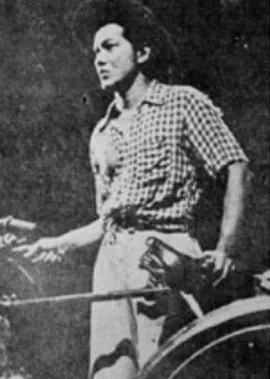
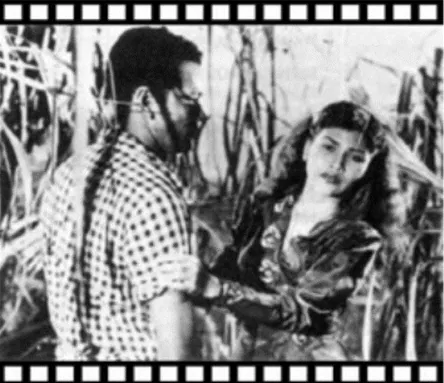
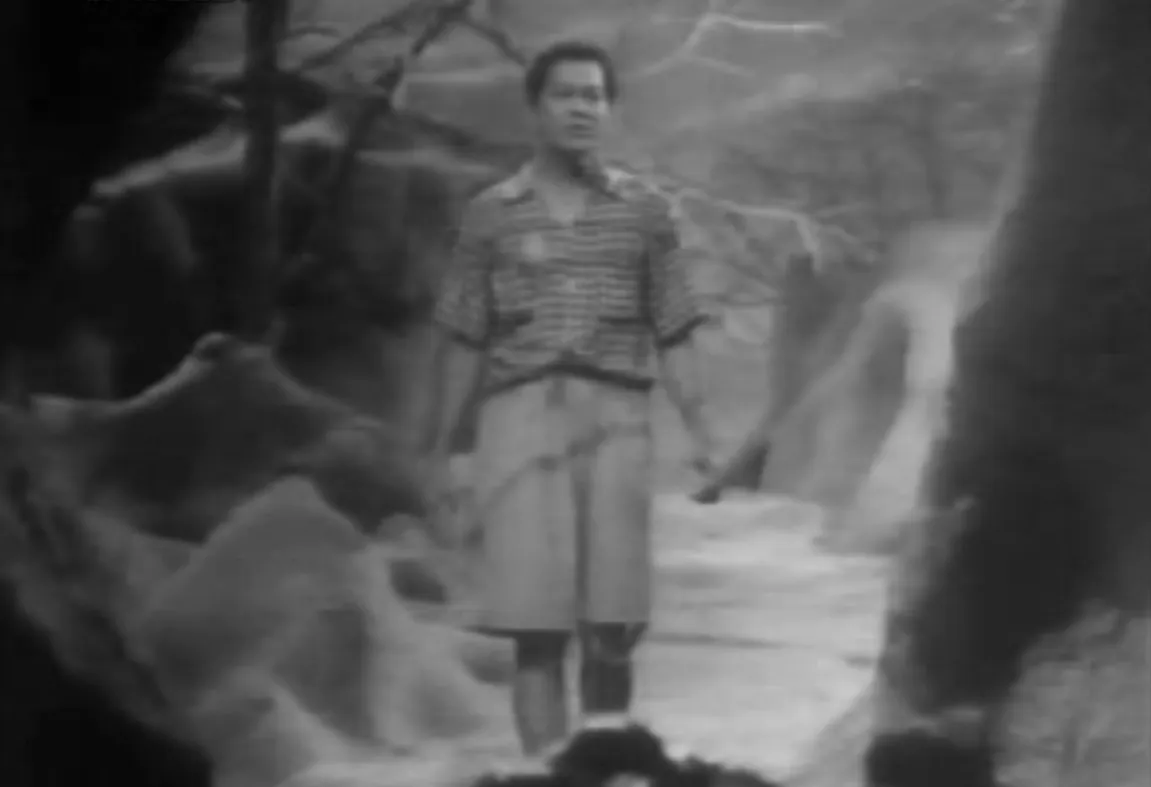
Despite the presence of Neorealist elements in P. Ramlee’s first feature as director, ‘The Trishaw Puller’ is not a Neorealist film of the Italian type. P. Ramlee was an eclectic filmmaker, much like his creative personality. The Trishaw Puller displays a variety of stylistic characteristics: from the generic point of view for example, it is a melodrama, its plot significantly influenced by the Indian tradition. Many of its scenes are typical studio sets, including the ‘faked’ outdoor lyrical scene when P. Ramlee is singing his famous “Azizah”. The most conspicuous non-realistic ingredients in P. Ramlee’s first feature – and in practically all his films which followed – are the musical interludes which from time to time interrupt the action and bring the narrative to a virtual standstill. Such lyrical moments offer the viewer relief from the tensions of the dramatic action while commenting on the events. They are the film’s chorus, to use the term from the classical Greek drama. P. Ramlee successfully blends the realistic with the expressive, the epical with the lyrical. These poetic interventions which interrupt the action are rooted in the Malay bangsawan theatrical performance and still characterize certain types of contemporary Asian cinema such as Bollywood.
Conclusion
P. Ramlee’s eclecticism – including the Neorealist legacy – reflects the multifaceted and multi-ethnic situation in which he lived and worked: he, a Malay, having experienced Japanese occupation, working in Singapore, then a British colony, in Chinese-run studios under Indian directors. He drew from a variety of traditions, both local, regional, and international, and filmic, theatrical and musical. Neorealism became one of P. Ramlee’s important inspirations. The result is his unique and inimitable personal style.