08 · Research
P. Ramlee’s Laksamana Do Re Mi: The Study of Interactive Comic Film Adaptation
Dahlan Abdul Ghani
Abdul Ghani, D. (2016). P. Ramlee’s Laksamana Do Re Mi: The study of interactive comic film adaptation. In 2016 International Conference on Information and Communication Technology (ICICTM) (pp. 169–173). IEEE. https://doi.org/10.1109/ICICTM.2016.7890794
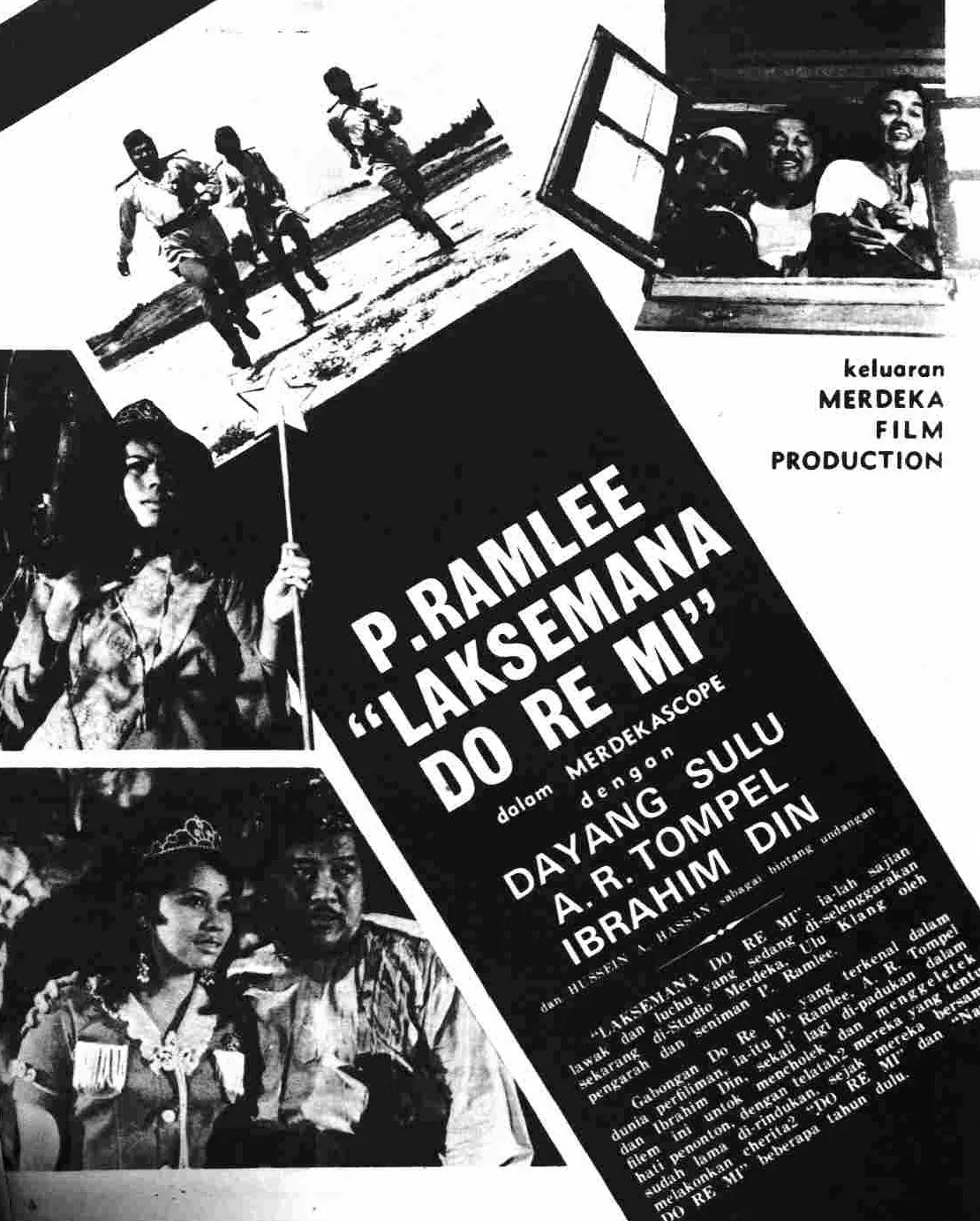
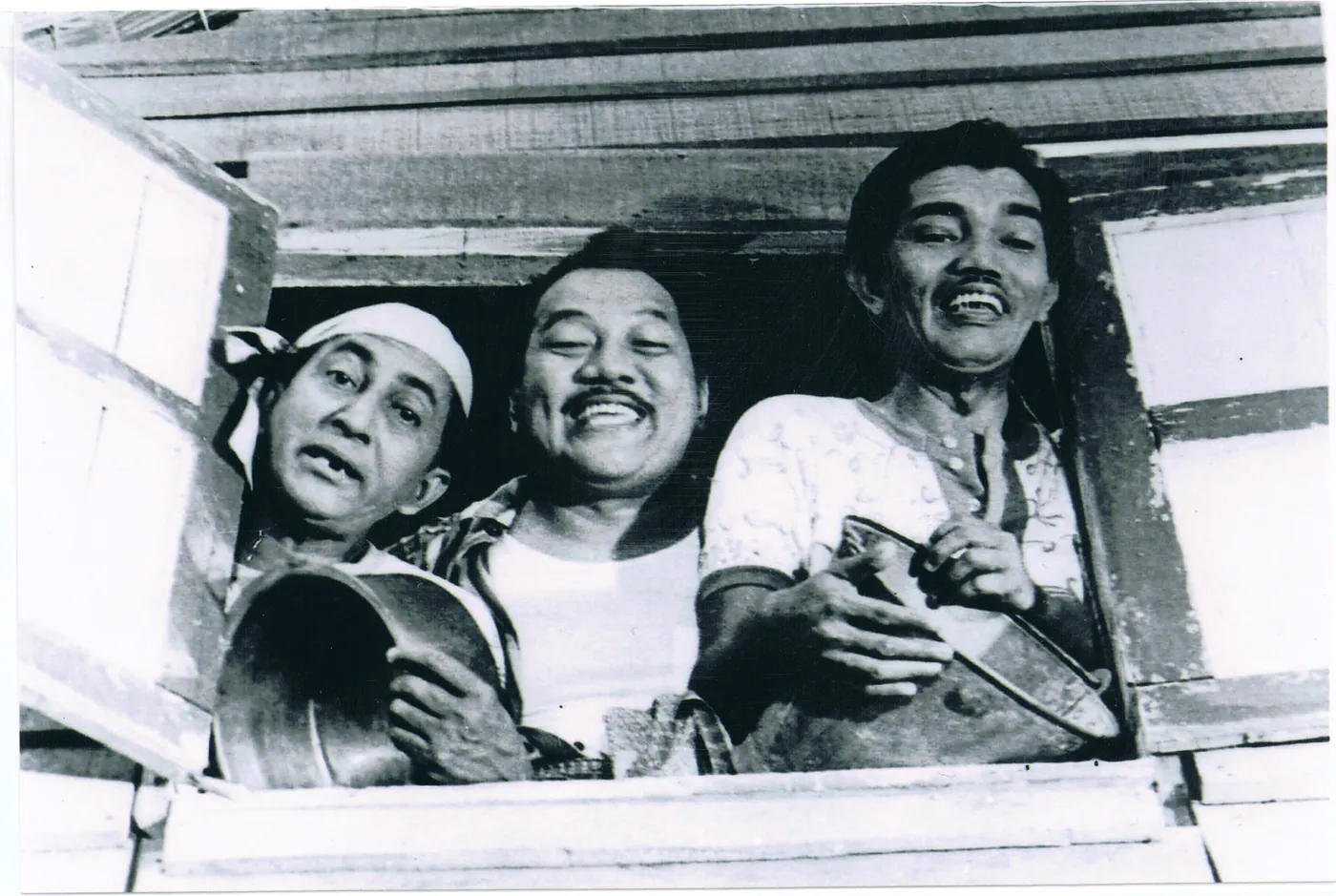
P. Ramlee films in Malaysia can be described as a unique form of film expression. Unfortunately this artistic value of appreciation among the young generation is slowly declining. Furthermore, some still argue that the quality of Malaysian mainstream films is still not on par with the standards of P. Ramlee’s films. With the current updated technologies, globalisation and digital natives era, efforts are essential to ensure that P. Ramlee’s films will survive with this current scenario. Therefore, this research will focus on developing the art of comic adaptation from the visual style of P. Ramlee’s original 1973 film Laksamana Do Re Mi. This study will include the methodology, comic and film expression including developing a prototype of digital interactive comic visual art adapted from P. Ramlee’s Laksamana Do Re Mi (1973).
In Malaysia, currently there have been few attempts to present comics or graphic novels (linear or non-linear) visual styles inspired from quality local film production. Thus, this research will focus on developing Laksamana Do Re Mi interactive comic, adapted from P. Ramlee’s original screenplay.
Method
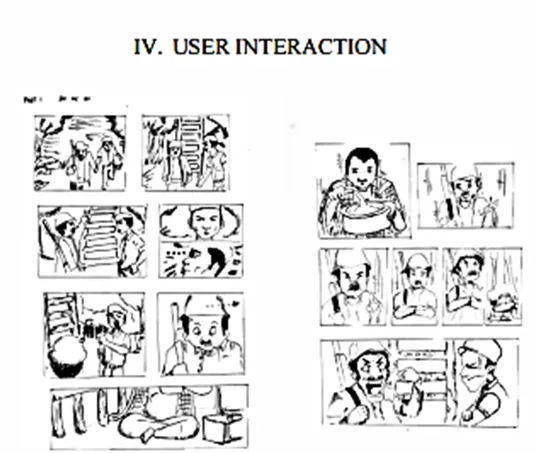
The method used to create a new form of interactive content based on Laksamana Do Re Mi visual styles film consists of interactive narratives, composition of visual comic graphic panels and audio (dialogues and sound fx). The narrative content of the original composition P. Ramlee’s Laksamana Do Re Mi will still remain as it is. The proposed idea is to develop an interactive comic based on Laksamana Do Re Mi, embedded in a tablet computer (iOS or Android version), where users are able to visualize narratives through comic panels and interact with certain objects that can affect the recitation stories. The proposed method for the visualization of P. Ramlee’s Laksamana Do Re Mi interactive comics is divided into two phases. The comic panel definition phase comprises the process of assigning the narrative structure events to their corresponding panels, computing the size required for each panel, and defining the layout of each page. The panel compositing phase includes the process of rendering the content of the panels (background, characters, objects, and word balloons). The drama and humour film genre of Laksamana Do Re Mi uses a narrative form with a sequence of panels containing signs and images combined with texts, where the reader perceives time spatially. Inside each of the panels, the narrative are represented through 3 domains of visual styles such as figurative (protagonist or antagonist), iconic, textual, and visual background.
Conclusion
This interactive comic combines planning techniques for the dynamic creation of interactive plots and narrative including sound effects. We believe that film comic adaptation style interactive comics can expand the boundaries of the classical comic book and revive the original film towards a new form of digital storytelling. It is hoped to preserve the Malay traditional film and spark interest among the younger generation today (digital natives). The positive feedback on the prototype application results of the preliminary user study suggests the effectiveness of the proposed approach and indicates a promising direction for future research in the domain of interactive comics.