
08 · Research
The Golden Era of the Malaysian Film Industry: Cross-Cultural Dialogue and Negotiations of Ethnicity in a Budding Nation
Angeline Wong Wei Wei, Shanthini Pillai & Ong Puay Liu
Wong, A. W. W., Pillai, S., & Ong, P. L. (2018). The golden era of the Malaysian film industry: Cross-cultural dialogue and negotiations of ethnicity in a budding nation. Kajian Malaysia, 36(1), 1–24. https://doi.org/10.21315/km2018.36.1.1
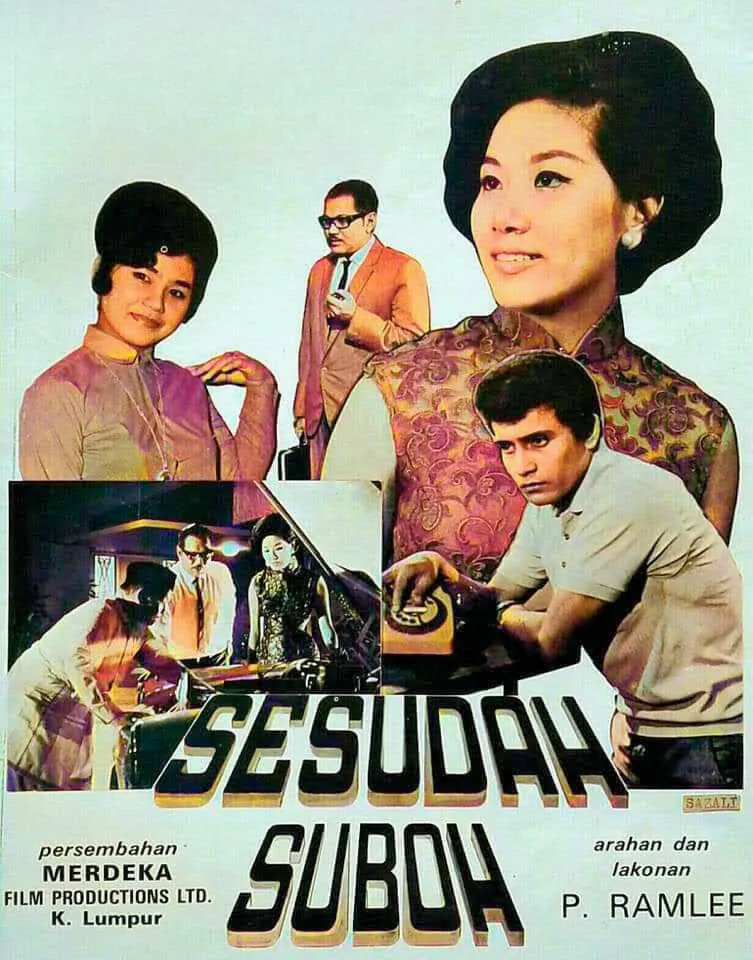
This paper examines the extent to which films of the Golden Era, specifically P. Ramlee’s Sesudah Suboh (1967) and Gerimis (1968), i.e. two significant films of the era which portray stories about inter-ethnic romantic relationships, visualise the possibilities of inter-ethnic engagement through the films’ narrative and the implied issues of ethnic and cultural differences. The discussion highlights the fact that there are significant moments of inter-ethnic dialogue and engagements between the characters within the narratives of the two films which outweigh the evidences of inter-ethnic prejudices that are portrayed in the films. The main conclusion that is derived from the film analysis is that the two films are significant spaces through which the borders between identities and cultures can be negotiated in the form of meaningful dialogue and engagement.
Sesudah Suboh
In Sesudah Suboh, characters of different ethnicities display the act of recognition, accommodation and respect for each other. Even though the opening credits show visual division, the film reveals multiple border crossings and dynamic inter-ethnic engagement. The film’s integration of the Malay and non-Malay characters weaves in the theme of national unity and implies that it takes all members of a nation to form a socially cohesive and engaging multi-ethnic nation state.
Gerimis
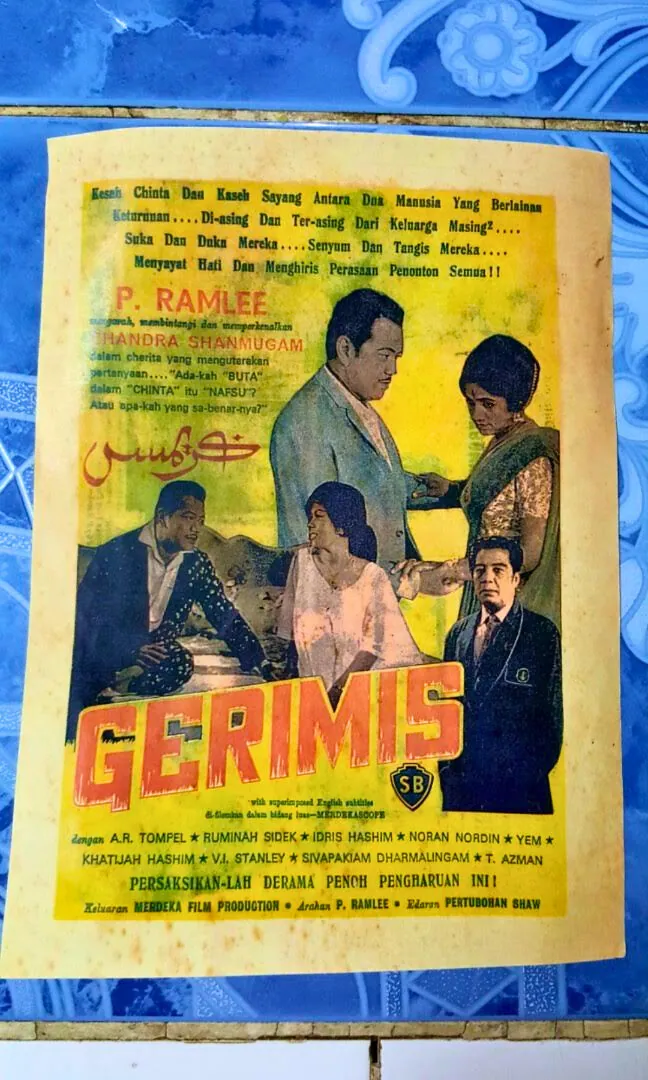
There are also instances of adopting the hybrid identity and integrated cultural practices in the mixed marriage portrayed in Gerimis. One of them is shown in Leela’s embracing of a hybrid identity after being married to Kamal as she wears baju kebaya and sari interchangeably. Gerimis also depicts the conflicts and challenges within the inter-ethnic marriage and how family support and love are pertinent. The portrayal of Kamal and Leela’s reconciliation in the end implies the possibilities of inter-cultural assimilation and accommodation in the realities of multi-ethnic Malaysia.
Conclusion
The analysis of Sesudah Suboh and Gerimis has identified the spaces for border crossings and inter-ethnic engagement through the love story narrative. It can be concluded that inter-ethnic engagement largely involves the dynamic process of negotiation and dialogue. The two films demonstrate the importance of cross-cultural engagement, empathy and respect in the meeting of people with different worldviews and acceptance of each other’s differences. As films of the golden era were produced just before the major ethnic riot of 1969, both Sesudah Suboh and Gerimis are significant in foreshadowing the importance of cross-cultural dialogue and negotiation at a time when inter-ethnic tensions loomed in the early years of nation building in postcolonial Malaysia.