03 · The Art
Cinematic Pioneers
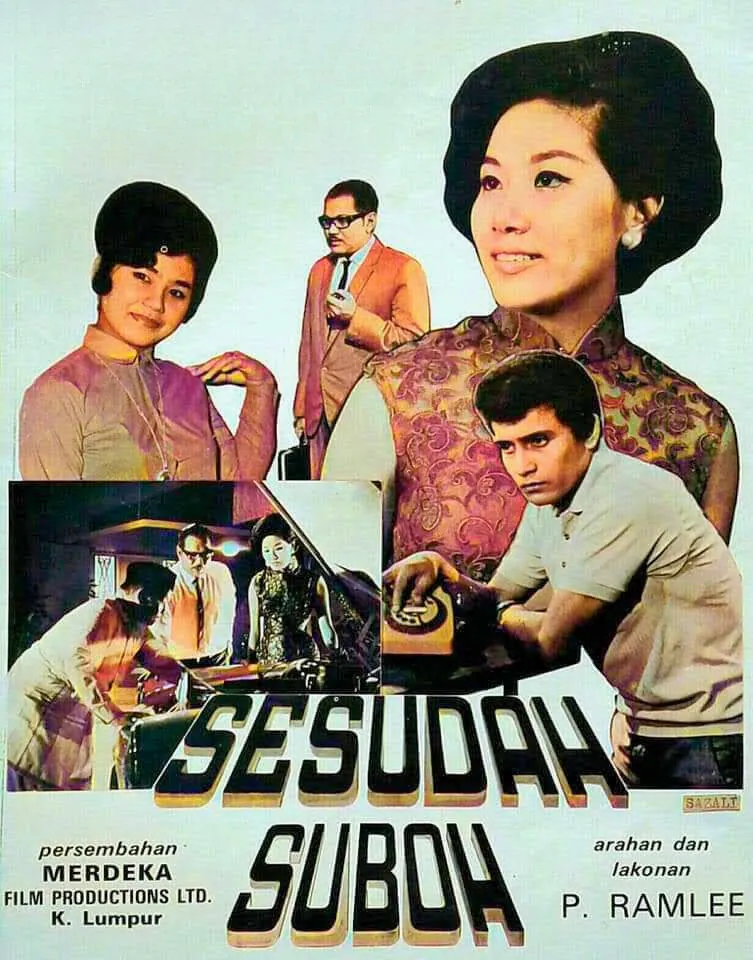
Sesudah Suboh (1967) centres on the inter-ethnic relationship that is forged in the friendship between Ariffin, a Malay man, and Alan, his good friend who is ethnic Chinese, and the romantic relationship that Ariffin forms with Alice, a Chinese woman. The latter begins as a result of Ariffin’s alienation from his family. The film’s portrayal of the everyday realities of Ariffin, his family and friends has shown that Malaysians need to dialogue and negotiate differences beyond ethnic boundaries. In terms of inter-ethnic engagement, Wong et al. (2018) find that the engagement between the Chinese and Malay families brings friendships and mutual understanding that are formed in resolving the conflicts between them. The film ends with Ariffin reconciling with his family as a result of Alice and Alan’s plot to unite them. The film’s happy ending can be seen as reflecting the possibilities that arise from cross-cultural dialogue and negotiation.
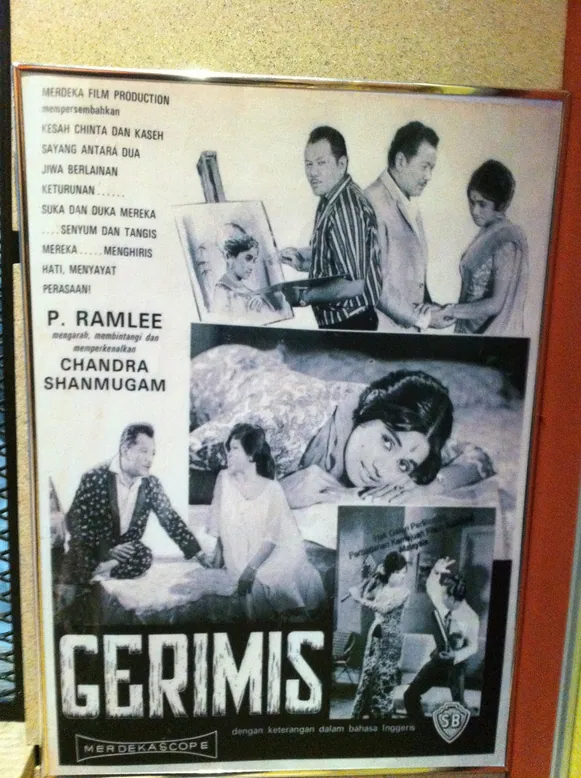
Gerimis (1968) depicts the love story of the main characters, Kamal, a Malay man, and Leela, an Indian woman, and the challenges they face as they eventually get married. Mahyuddin (2011, p. 81) critically states that Gerimis shows the inevitability of conforming to the dominant party in mixed marriages whereby the ‘other’ “loses its own sense of identity and culture in order to assimilate with the dominant cultural group”. He further elaborates that the union between the Malay and Indian characters can be positively perceived as a transcendence of ethnic boundaries. Wong et al. (2018) also see that the change in Leela’s father, who initially objects to the inter-ethnic union but finally accepts and is reconciled with the couple, indicates that inter-cultural accommodation is possible with a change of perspective and the letting go of prejudices. Both Sesudah Suboh (1967) and Gerimis (1968) reflect the themes of acceptance, compromise and the significance of love and support in relation to the pertinent issues of culture and religion.
Controversial and Banned Films
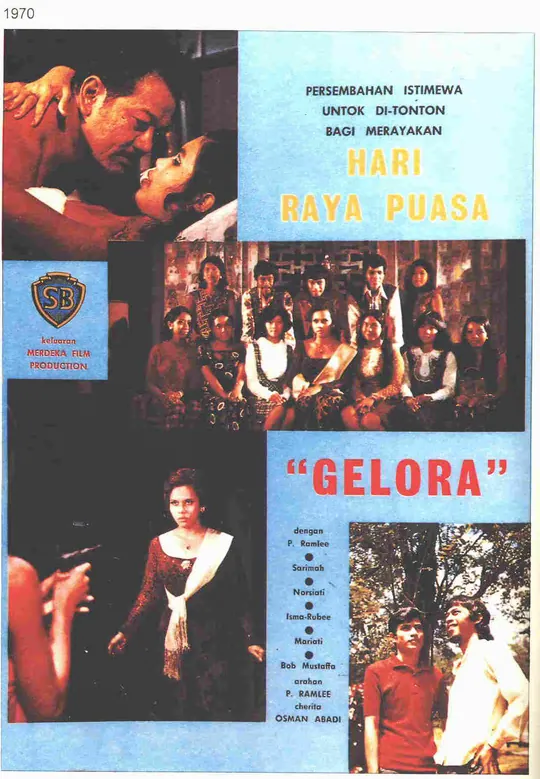
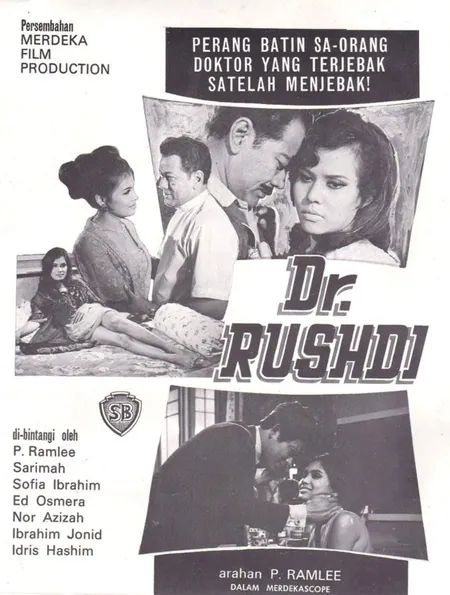
Gelora and Dr. Rushdi were controversial for depicting sexually charged scenes and have been banned from screening since the 1980s. Minta Nombor Ekor is also banned for depicting horse racing and gambling.